

The Beauty of Minimalist Design
Introduction
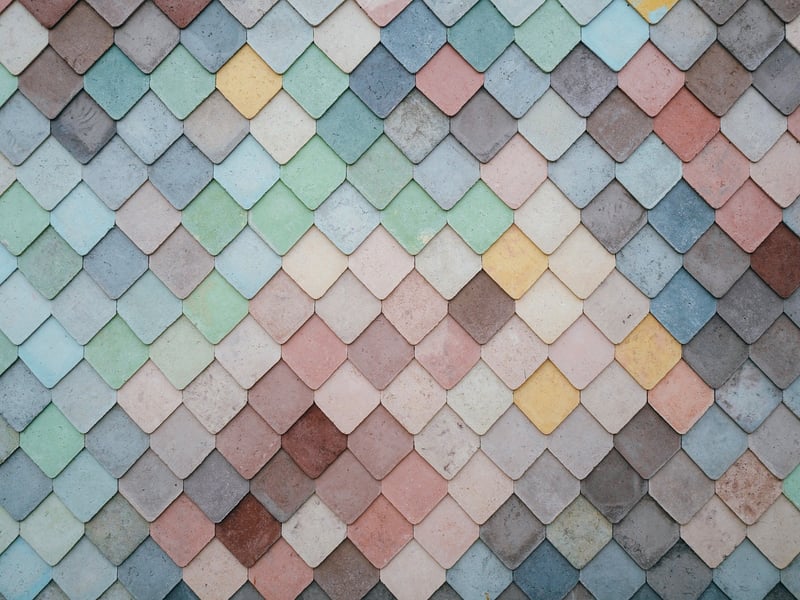
Minimalist design is a popular approach that focuses on simplicity and functionality. It emphasizes clean lines, uncluttered spaces, and a limited color palette to create a sense of calm and order.
Benefits of Minimalist Design
- Enhanced visual appeal
- Improved user experience
- Easy to maintain and update
- Creates a sense of sophistication
Different Approaches to Minimalist Design
1. Scandinavian Design
Scandinavian design is known for its simplicity, functionality, and minimalism. It often features natural materials, neutral colors, and a focus on light and space.
2. Japanese Design
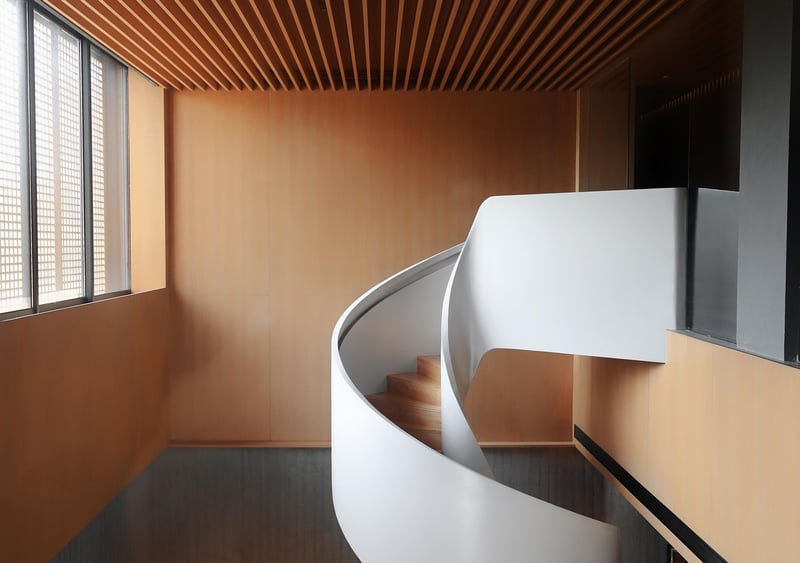
Japanese design is inspired by Zen philosophy and focuses on creating harmonious and uncluttered spaces. It often incorporates natural elements, such as wood and stone, and embraces simplicity in form and function.
3. Bauhaus Design
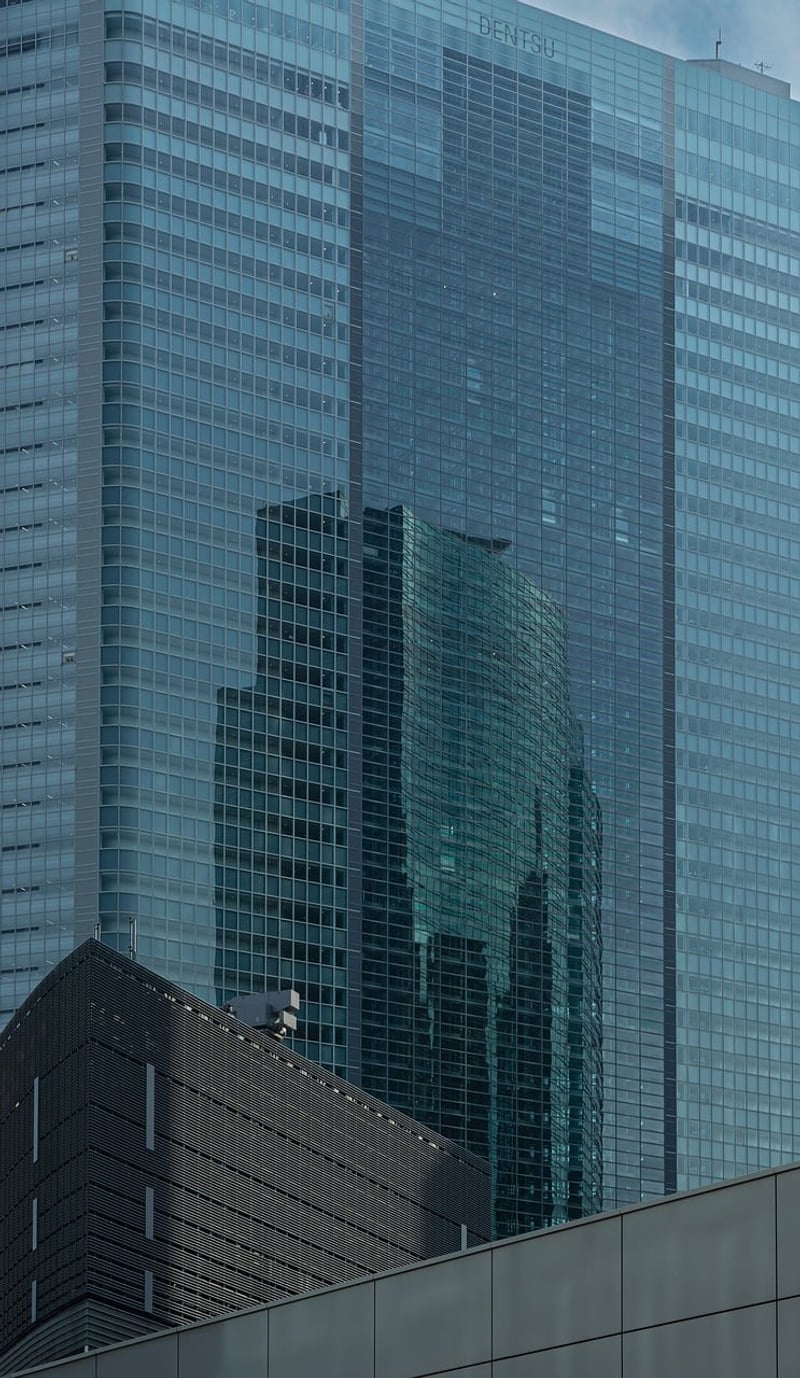
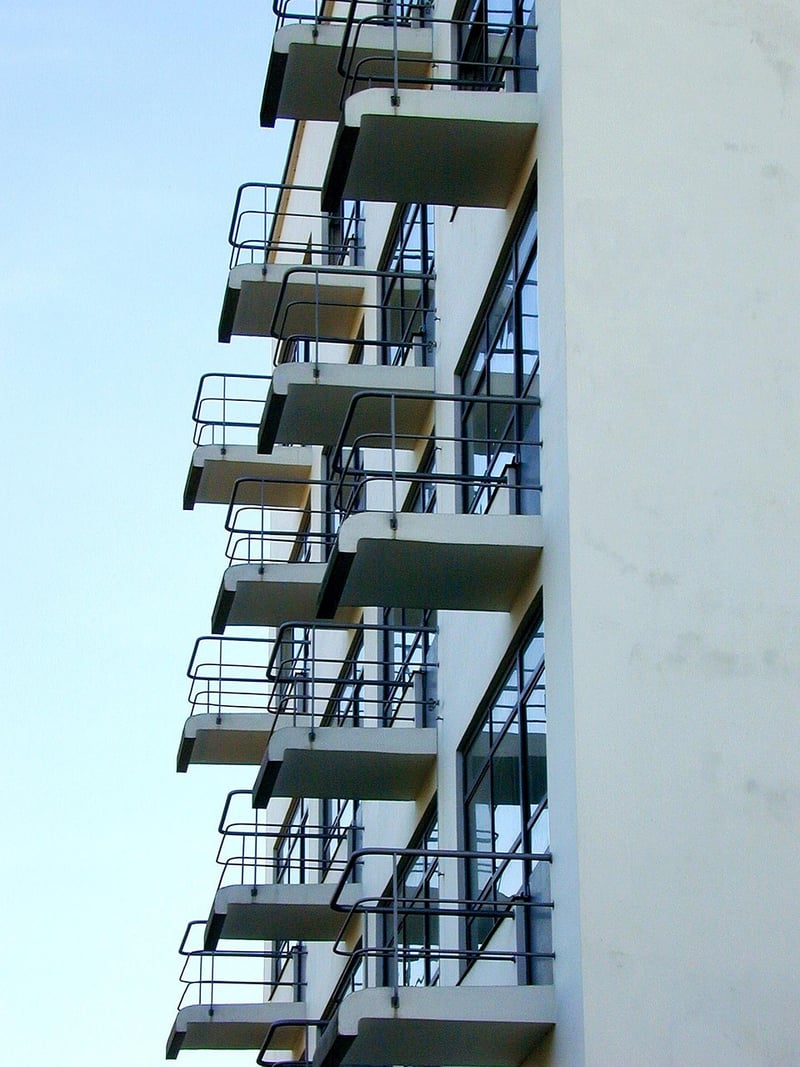
Bauhaus design is characterized by its emphasis on geometric shapes, clean lines, and functionality. It aims to combine art and technology to create practical and aesthetically pleasing designs.
Conclusion
Minimalist design offers a timeless and elegant aesthetic that can enhance any space. By embracing simplicity and functionality, minimalist design creates a sense of harmony and sophistication that is both visually appealing and practical.
Whether you prefer Scandinavian, Japanese, or Bauhaus design, incorporating minimalist elements into your space can transform it into a tranquil and stylish oasis.